
Azərbaycanda iGeyminq Lisenziya Metrikaları və Uyğunluq Trendləri
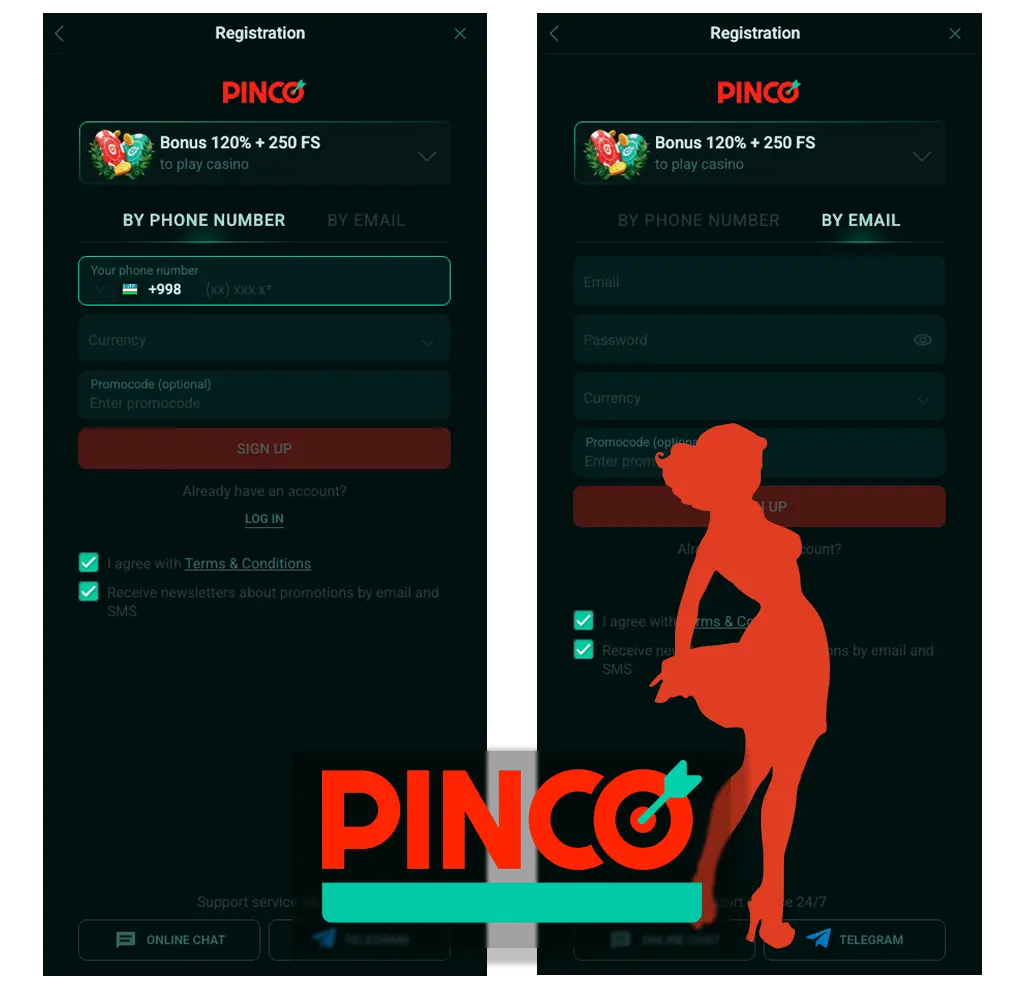
The digital landscape for interactive gaming in Azerbaijan is evolving within a distinct legal framework. For industry observers, operators, and serious participants, grasping the regulatory fundamentals is not just beneficial-it’s essential for navigating the market’s potential. This analysis provides a structured, checklist-driven guide to the core principles of licensing, the role of regulators, and emerging compliance trends, all contextualized for Azerbaijan. A clear understanding of these mechanics, including the operational nuances of a typical pinco platform, forms the bedrock of a secure and informed engagement with the sector.
The Foundational Regulatory Framework in Azerbaijan
Unlike many jurisdictions with dedicated online gambling laws, Azerbaijan’s primary legal stance is defined by prohibition. The current regulatory environment is governed by the Law on Lotteries and the broader Criminal Code, which largely restrict gambling activities. However, the reality of digital access means international operators frequently serve the Azerbaijani market. This creates a complex scenario where the de facto regulation is often imposed by the licensing authorities of other jurisdictions on operators accepting players from Azerbaijan. Therefore, understanding regulation here involves a dual focus: the domestic legal prohibitions and the foreign licensing standards that apply in practice.
Key Domestic Legal Instruments
Any analysis must start with local law. The primary statutes establish the formal boundaries within which all iGaming discussion occurs, setting the context for why offshore licensing becomes relevant.
- The Law of the Republic of Azerbaijan “On Lotteries”: This law is the central piece of legislation governing games of chance, establishing state control and outlining prohibited forms.
- The Criminal Code of Azerbaijan: Articles within the code prescribe penalties for the organization and operation of illegal gambling establishments, extending to digital operations.
- Decisions by the Cabinet of Ministers: These can provide specific clarifications and enforcement directives related to the implementation of the main laws.
- Telecommunications and Financial Regulations: Indirect control is exercised through regulations on internet service provision and financial transaction monitoring to restrict access and payment flows to unauthorized gambling services.
Offshore Licensing – The De Facto Standard
In the absence of a domestic licensing regime for online operators, the market is served by entities licensed in other countries. The credibility and safety for Azerbaijani players hinge entirely on the rigor of these foreign licenses. Operators seek jurisdictions known for strong regulatory oversight, which in turn mandates strict compliance protocols that indirectly protect international users, including those in Azerbaijan. Əsas anlayışlar və terminlər üçün gambling regulation overview mənbəsini yoxlayın.
Critical Licensing Jurisdiction Metrics
When evaluating the indirect regulation affecting the market, several metrics for offshore licensing authorities are paramount. These criteria determine the level of player protection and operational integrity. Mövzu üzrə ümumi kontekst üçün problem gambling helpline mənbəsinə baxa bilərsiniz.
| Metric | Description | Importance for Azerbaijani Users |
|---|---|---|
| Regulatory Age & Stability | How long the licensing authority has been operational and its reputation for consistency. | Indicates proven oversight and reduced risk of regulatory failure. |
| Application Scrutiny | The depth of due diligence on company ownership, financial history, and technical infrastructure. | Filters out financially or ethically unstable operators from the market. |
| Software & Game Fairness Audit | Mandatory certification of Random Number Generators (RNGs) and game logic by independent labs (e.g., eCOGRA, iTech Labs). | Guarantees game outcomes are truly random and not manipulated. |
| Financial Security Requirements | Mandates for operator capital reserves, segregated player funds, and solvency checks. | Ensures player deposits are protected and winnings can be paid out. |
| Responsible Gaming Tools | Requirements for deposit limits, self-exclusion schemes, and reality checks. | Provides essential safeguards for player well-being, a key concern in any market. |
| Dispute Resolution Mechanism | Availability of an independent arbitration service or ombudsman for player complaints. | Offers a recourse path for Azerbaijani players outside the local legal system. |
| Anti-Money Laundering (AML) Protocols | Stringent Know Your Customer (KYC) and transaction monitoring rules aligned with FATF standards. | Protects the financial ecosystem and adds a layer of user verification for security. |
| Taxation and Fee Transparency | Clear public disclosure of license fees and tax obligations for operators. | Reflects a professional regulatory approach and sustainable model. |
Core Compliance Obligations for Operators
Licensing from a reputable jurisdiction translates into a concrete set of compliance obligations that operators must fulfill continuously. These obligations form the operational pillars that ensure a fair and secure environment, even for players in territories like Azerbaijan where the operator is not locally licensed.
Mandatory Operational Checklists
The day-to-day compliance for a licensed operator involves adhering to multiple interconnected protocols. Failure in any area can result in heavy fines or license revocation.
- Identity Verification (KYC): Collecting and verifying official ID, proof of address, and sometimes payment method ownership before or shortly after registration.
- Age Verification: Implementing robust systems to absolutely prevent underage access, a universal legal and ethical requirement.
- Transaction Monitoring: Tracking deposit and withdrawal patterns for unusual activity that may indicate fraud, money laundering, or problem gambling.
- Data Protection and Encryption: Employing bank-level SSL encryption and strict data handling policies compliant with standards like GDPR, even for non-EU players.
- Game Integrity Reporting: Maintaining and providing regulators with up-to-date certificates for all RNGs and game software used on the platform.
- Fair Marketing Practices: Ensuring all advertising and bonus terms are clear, not misleading, and specifically target legal adult audiences.
- Responsible Gaming Implementation: Integrating easy-to-use tools for self-limitation, time-outs, and links to professional support organizations.
- Regular Regulatory Reporting: Submitting audited financial reports, security audits, and compliance certificates to the licensing authority on a scheduled basis.
- Technical Infrastructure Security: Maintaining DDoS protection, secure servers, and disaster recovery plans to ensure service continuity and data safety.
Emerging Trends in Global iGaming Regulation
The regulatory field is not static. Global trends inevitably influence market expectations and, potentially, future policy discussions in regions observing the sector’s development. Several key trends are shaping the future of compliance.
Technological and Policy Shifts
Innovation in both technology and regulatory philosophy is driving change, focusing on greater transparency, safety, and market maturity.
- Increased Emphasis on Player Protection: Moving beyond basic responsible gambling tools to proactive behavioral analytics and mandatory loss-tracking dashboards.
- Cryptocurrency and Blockchain Regulation: Jurisdictions are creating specific frameworks for crypto transactions, focusing on enhanced AML tracking for transparent ledgers.
- Artificial Intelligence in Compliance: Using AI for real-time monitoring of betting patterns for fraud and problem gambling, as well as automating parts of the KYC process.
- Stricter Advertising Bans: A global trend toward severely restricting or banning gambling advertising across digital, broadcast, and sponsorship channels.
- Uniform Technical Standards: Push for common standards for API integration, RNG certification, and data reporting to simplify compliance for multi-licensed operators.
- Environmental, Social, and Governance (ESG) Criteria: Operators are increasingly evaluated on their social impact, corporate ethics, and sustainability practices by investors and regulators alike.
- Inter-Regulator Cooperation: Enhanced information sharing between national regulators to tackle unlicensed operators and cross-border fraud more effectively.
Safety and Due Diligence for Azerbaijani Participants
Within the current Azerbaijani context, the onus for safety heavily rests on the individual participant’s ability to conduct due diligence. This involves verifying the indirect regulatory safeguards applied by an operator’s licensing body.
Personal Verification Checklist
Engaging with any interactive gaming platform requires a proactive approach to personal security and legal awareness. This checklist serves as a practical guide for informed participation.
- License Verification: Always locate the operator’s license number and verify its active status on the official website of the issuing regulator (e.g., Malta Gaming Authority, UK Gambling Commission).
- Review Terms and Conditions: Pay specific attention to sections on bonuses, withdrawals, account verification, and restricted territories to understand your rights and obligations.
- Check Independent Audit Seals: Look for logos of testing agencies like eCOGRA or GLI on the website footer, and click through to validate the current certification.
- Evaluate Responsible Gaming Tools: Before depositing, explore the platform’s tools for setting deposit, loss, and session limits to ensure they are easily accessible.
- Test Customer Support: Pose a pre-registration question to assess response time, professionalism, and language support, typically available in Azerbaijani or Russian.
- Research Payment Methods: Confirm available options for deposits and withdrawals in AZN or convenient currencies, noting processing times and any fees.
- Understand Local Legal Implications: Acknowledge the formal legal status of online participation under Azerbaijani law and act with full awareness of the existing legal framework.
- Secure Personal Technology: Use strong, unique passwords, enable two-factor authentication if offered, and ensure your device has updated security software.
- Monitor Financial Activity: Regularly review bank or e-wallet statements for accuracy and immediately report any unauthorized transactions.
- Set Personal Boundaries: Decide on strict financial and time budgets before engaging, treating them as non-negotiable rules for recreational activity.
The Future Landscape of Regulation in Azerbaijan
While the present model relies on offshore regulation, discussions on economic potential, consumer protection, and tax revenue often accompany the growth of digital sectors. Any future evolution would likely involve a careful study of international models-from the liberalized regimes of Malta to the state-controlled monopolies seen in some European nations. The primary drivers for change would be a structured approach to channeling demand, implementing robust player protections, and generating state revenue, all while addressing social responsibility concerns. For now, a sophisticated understanding of the existing hybrid model, where global standards meet local reality, provides the most accurate and actionable insight into Azerbaijan’s iGaming regulatory basics.