
The allure of casino games
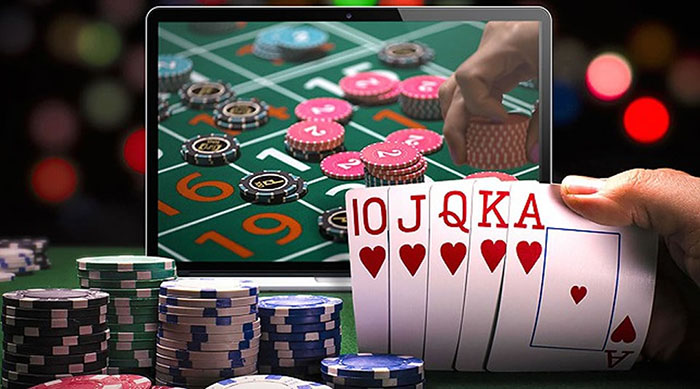
The attraction to casino games often stems from a combination of excitement and social interaction. Players are drawn to the vibrant atmosphere, bright lights, and the thrill of chance. This environment stimulates the brain’s reward system, releasing dopamine, which reinforces the desire to play. For instance, many enjoy the thrill of online casinos, which recreate the excitement of traditional gaming. Understanding this allure can help players recognize the psychological triggers that entice them into gambling.

Moreover, the sense of community in casinos contributes to this allure. Players often engage with one another, sharing their experiences and strategies. This social aspect can enhance the enjoyment of gaming, making it crucial for players to be aware of how group dynamics influence their decision-making processes.
Cognitive biases in gambling
Humans are subject to various cognitive biases that can significantly influence gambling behavior. One common bias is the “gambler’s fallacy,” where players believe that past outcomes can predict future results. For instance, if a player sees a particular number come up multiple times in roulette, they may mistakenly believe that it is “due” to lose. Recognizing such biases can aid players in developing more rational strategies.
Another cognitive bias prevalent in casino gaming is the illusion of control. Players often feel they have more influence over the outcome than they actually do, particularly in games of skill like poker. This illusion can lead to overconfidence and poor decision-making. Understanding these cognitive traps can empower players to adopt a more analytical approach to gambling.
The role of emotions in gambling
Emotions play a significant role in the decision-making process for gamblers. The highs of winning can lead to a euphoric state, encouraging players to continue betting in hopes of sustaining that feeling. Conversely, losses can invoke frustration or anger, which may result in chasing losses, ultimately leading to negative outcomes. Recognizing these emotional triggers is essential for developing a balanced gambling strategy.
Managing emotions effectively can enhance a player’s overall experience and decision-making. Techniques such as setting loss limits and taking breaks can help maintain emotional stability, allowing for more logical choices rather than impulsive reactions to wins or losses.
Strategies to enhance decision-making
To develop effective winning strategies, players should focus on informed decision-making. This involves understanding the odds and probabilities associated with different casino games. Knowledge of the house edge helps in choosing games that offer the best chances of winning. Educating oneself about the mechanics of games can provide a more strategic framework for play.
Additionally, implementing a disciplined approach to gambling can significantly improve outcomes. Players are encouraged to set time and monetary limits, ensuring that they gamble responsibly. By establishing clear boundaries, individuals can enjoy the thrill of casino games while minimizing the risks associated with impulsive betting behavior.
Ensuring a secure gaming experience
For an enjoyable and secure gambling experience, it is crucial to choose platforms that prioritize user safety. This is particularly relevant in the online gambling space, where threats and attacks can compromise player security. By opting for reputable sites that offer advanced security measures, players can focus on their gaming strategies without worrying about potential cybersecurity issues.
A secure environment enhances the overall experience for players, allowing them to engage fully in the games while benefiting from peace of mind. Moreover, understanding the protective measures in place can foster a sense of trust and encourage responsible gambling practices, ultimately leading to a more positive gaming experience.